
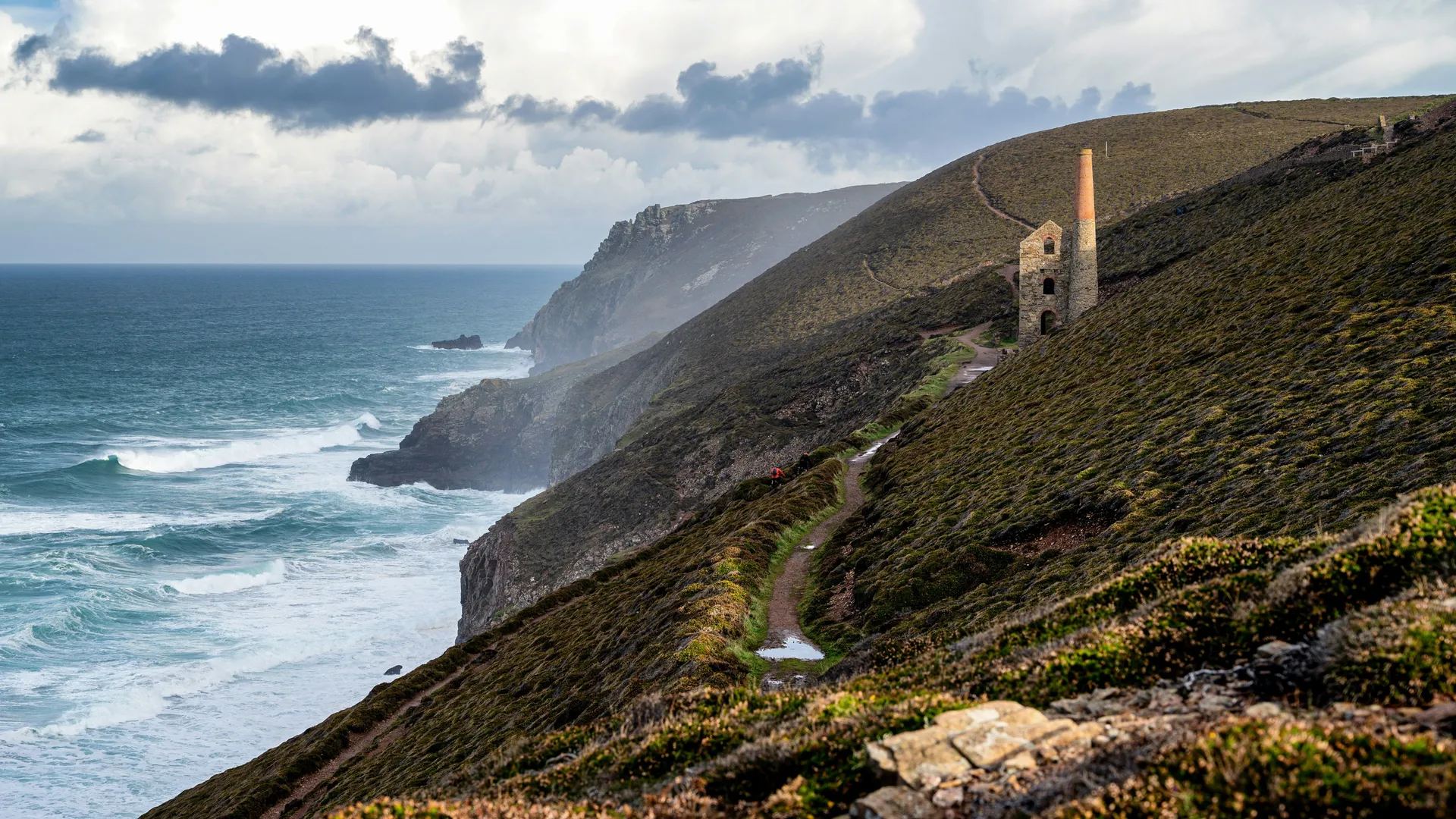
Wheal Coates Staint Agnes Rugged coastal cliffs with a winding path leading to an old engine house above the sea under dramatic clouds

Cornwall's industrial heritage

Cornwall is a land of fascinating contrasts. Of rolling countryside and restless seas. Of geographical seclusion, offset by the warmth of its climate and its people. And of astonishing natural beauty, woven with tales of industrial prosperity and technological ingenuity. The historical importance of Cornwall is closely tied to its industrial heritage. Explore it further here.

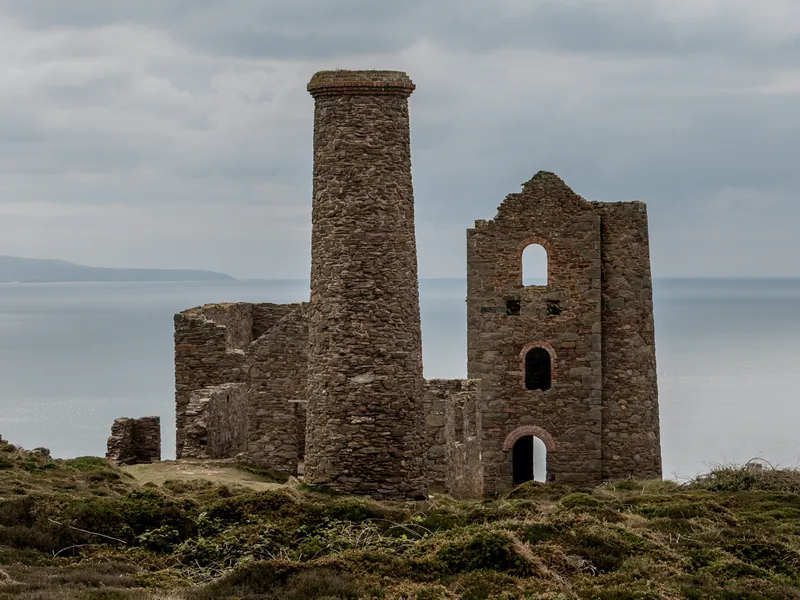
Ruins of an old stone mine engine house and chimney on a coastal hillside under a cloudy sky

The mining capital of the world

Until recently, Cornwall's rich mineral deposits supported a flourishing mining industry.

Tin mining is thought to have begun in South West England some 4,000 years ago. By the 18th century, the county was established as the mining capital of the world, with tin mining reaching its zenith in the 1900s. In later years, English china clay (kaolinite) was also extracted here.

While the industry faded in the 20th century, mining has left deep marks in Cornwall's landscape and culture. Today, the county is home to the Cornish Mining World Heritage Site, which covers 20,000 hectares across Cornwall and West Devon.
read more
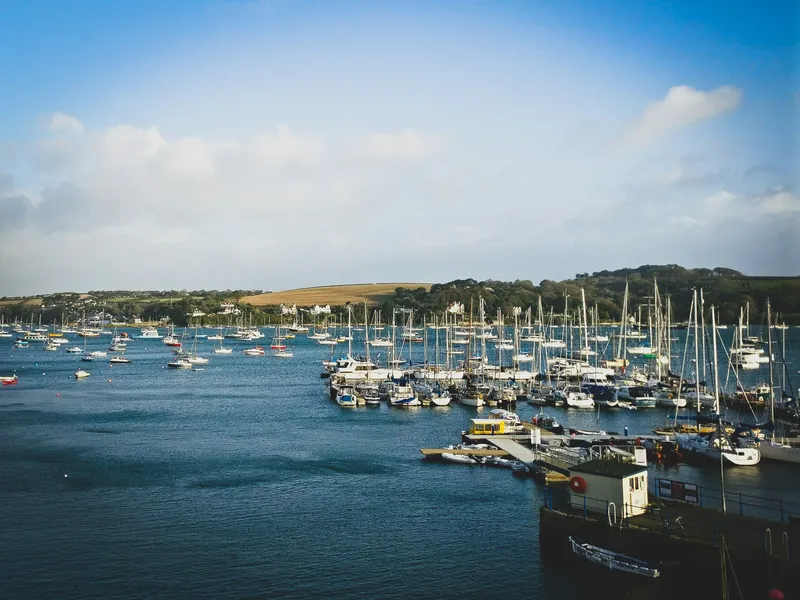
Falmouth Harbour filled with sailing boats and yachts on calm blue water beneath a bright sky

A leader in communications

Cornwall has contributed much to the world of technology, not least in the field of communication.

In the days of sailing, Falmouth was the departure and arrival port for many of the Post Office's packet ships. These ships, which came to be known as the 'Falmouth Packets', carried mail from Britain to its colonies and outposts around the world. Effectively, this made Cornwall the hub of global communication in the British Empire before the arrival of steam.

Later, telegraph became the dominant technology in long-distance communication – and Cornwall was involved almost from the start. In 1870, the first major telegraph cable arrived in Porthcurno on the western tip of Cornwall. This submarine cable transmitted messages from India and onwards to London. Even today, Porthcurno is known as 'the most connected valley on the planet'.

read more
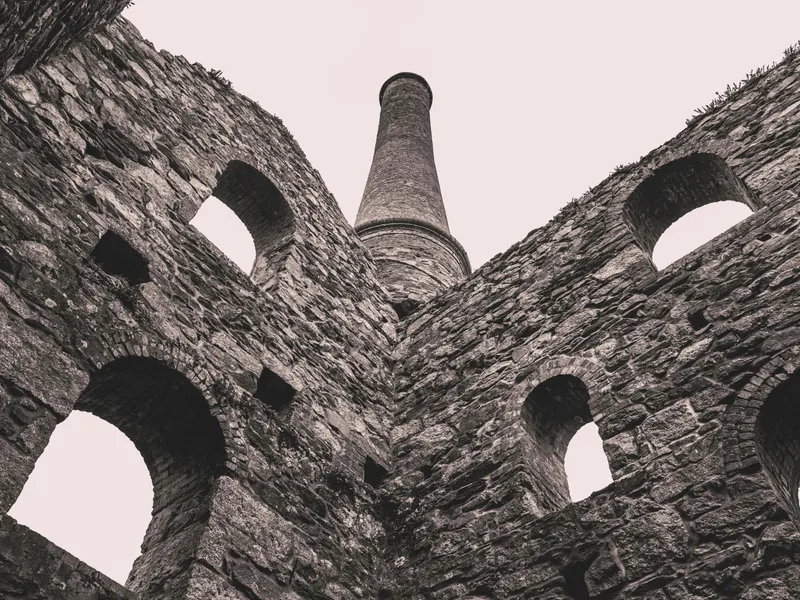
Low-angle view of weathered stone ruins with arched windows and a tall chimney rising into the sky

The southern seat of the Industrial Revolution

Cornwall embraced the burgeoning Industrial Revolution, becoming one of the most industrialised regions of Britain in the 18th and 19th centuries.

Many Cornish innovators contributed to this rich period of global history. That includes Sir Humphry Davy, inventor of the miner's safety lamp, and William Cookworthy, whose discovery of Cornish kaolinite helped revitalise its mining industry.

Chief among them, however, was Richard Trevithick, who invented the high-pressure steam engine. Trevithick's invention played a key role in kickstarting the Industrial Revolution and changing global industry forever.

Richard Trevithick’s advances in steam engine technology – originally motivated by the need to pump water out of mines – ultimately enabled the development of steam trains, changing the world forever through the mass movement of people and goods.

Cornish Mining World Heritage

read more